Dynamics of Free Spin Activation: Sequences, Stacking, and Multiplier Effects in Leading Digital Casino Platforms
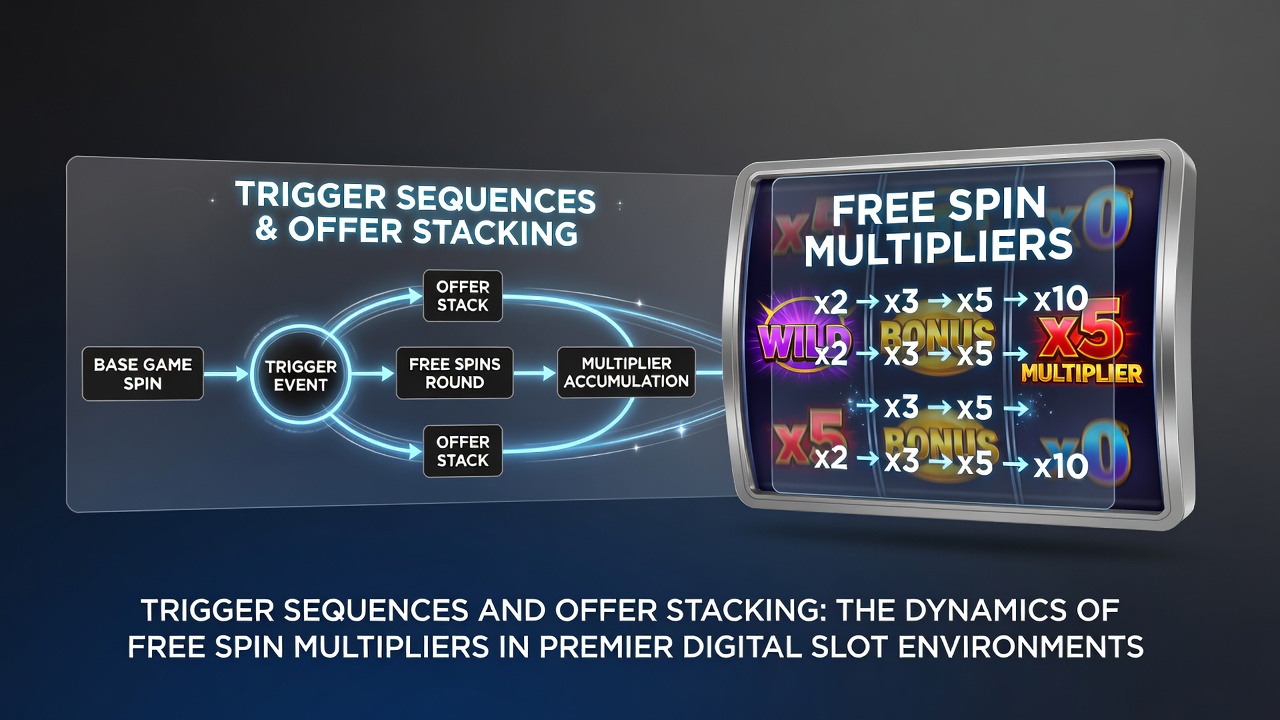
Trigger sequences in premier digital slot environments operate through specific symbol combinations that initiate free spin rounds, and these mechanics combine with offer stacking to adjust multiplier values across multiple promotions at once. Operators program reels so that landing designated scatter symbols or bonus icons activates sequences, which then apply base multipliers ranging from 2x to 10x depending on the game configuration, while players combine welcome offers with loyalty rewards to extend the number of spins available during each triggered round.
Core Elements of Trigger Sequences
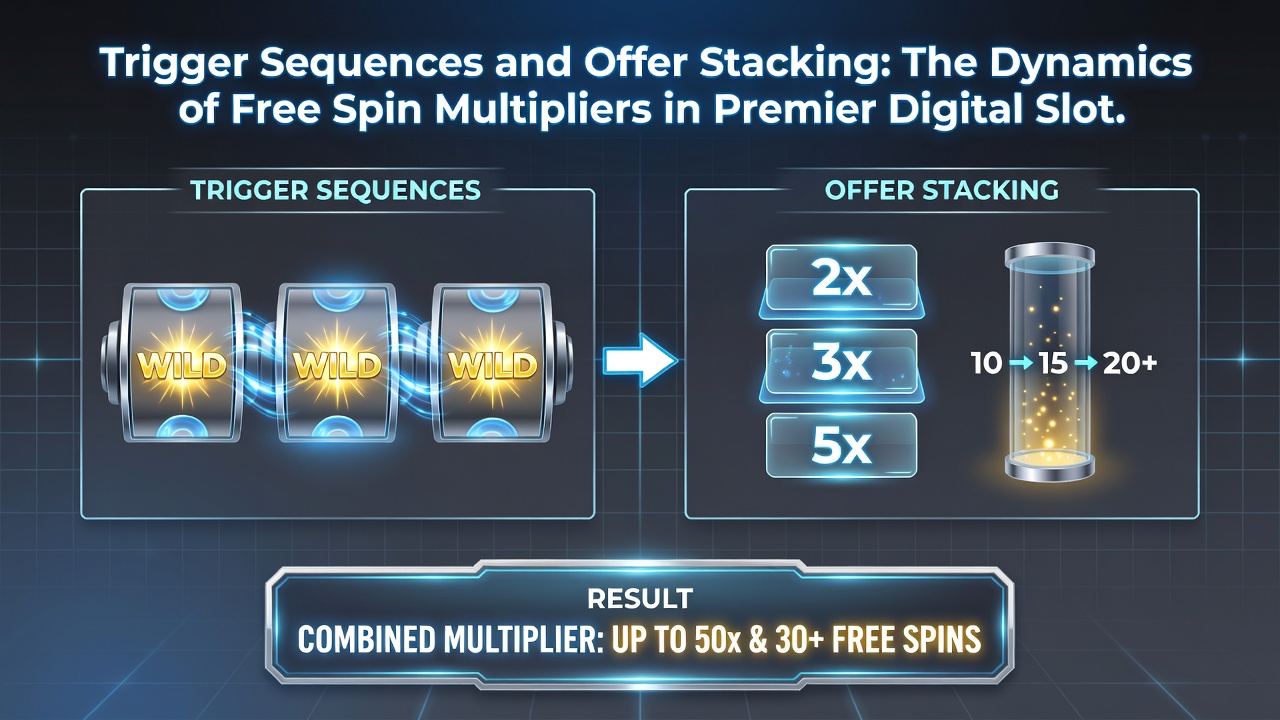
Each slot title defines its own activation rules, and research from industry reports indicates that most premium games require three or more matching symbols to launch free spins, although some titles incorporate random triggers or progressive accumulators that build toward activation over successive spins. Observers note that sequence length varies by title, with some delivering 10 initial spins and others granting 15 or 20, and additional retrigger symbols during the feature can extend the round further while stacking extra multipliers onto the existing total. Those who study slot mathematics understand that the probability of sequence activation ties directly to the game's return-to-player percentage, and data shows that titles with higher volatility often place larger multipliers behind rarer triggers.
How Offer Stacking Influences Multiplier Outcomes
Offer stacking occurs when players layer multiple promotions, such as deposit matches alongside free spin allocations, and this process directly affects the effective multiplier applied to winnings from triggered sequences. Platform algorithms calculate the combined value by applying each bonus layer sequentially, so a 50% deposit match paired with 20 free spins at 3x can produce higher overall returns than either promotion alone. Figures from regulatory analyses reveal that operators track stacking patterns to maintain compliance with bonus wagering requirements, and these systems prevent infinite stacking by enforcing time limits and maximum win caps on combined offers.
Multiplier Scaling During Active Sequences
Once a trigger sequence begins, multipliers can increase through additional in-game events such as landing special wilds or completing reel cascades, and these increments apply to every subsequent spin within the free round. Some environments feature progressive multipliers that rise by 1x after each spin, whereas others reset or cap the value at predetermined levels, and players who combine this in-game scaling with stacked offers achieve compounded effects on total payouts. In October 2026 several platforms introduced updated sequence engines that allowed multipliers to carry over between stacked bonus rounds, creating longer chains of enhanced spins under single activation events.
Platform Implementation Across Digital Environments
Leading platforms integrate trigger sequences into mobile and desktop interfaces with consistent rule sets, yet they differ in how offer stacking interfaces with those sequences through user account systems. Data indicates that real-time tracking of active bonuses allows the software to apply the highest eligible multiplier automatically when a sequence triggers, and this automation reduces manual intervention while maintaining transparency in win calculations. Those monitoring industry trends report that integration of third-party bonus engines has become standard practice, enabling operators to layer promotions from multiple providers without disrupting the core sequence mechanics.
Regulatory Context and Data Patterns
Analyses published by the American Gaming Association highlight how sequence frequency and multiplier ranges contribute to overall player engagement metrics across regulated markets. Separate findings from the European Gaming and Betting Association document regional variations in stacking limits, showing that certain jurisdictions cap the number of concurrent offers while others focus on disclosure of multiplier calculation methods. These reports demonstrate consistent patterns where stacking increases average session duration without altering the fundamental probability of sequence activation itself.
Conclusion
Trigger sequences and offer stacking together define the multiplier landscape in premier digital slot environments, with each component operating under fixed rules that platforms adjust through software updates. Sequence activation remains governed by symbol probabilities, while stacking modifies the applied values through layered promotions that respect regulatory boundaries. Continued evolution of these systems in 2026 reflects ongoing refinements in how operators deliver and calculate enhanced spin outcomes across global markets.