Algorithmic Personalization Shapes Reel Rewards in Regulated Online Casino Environments
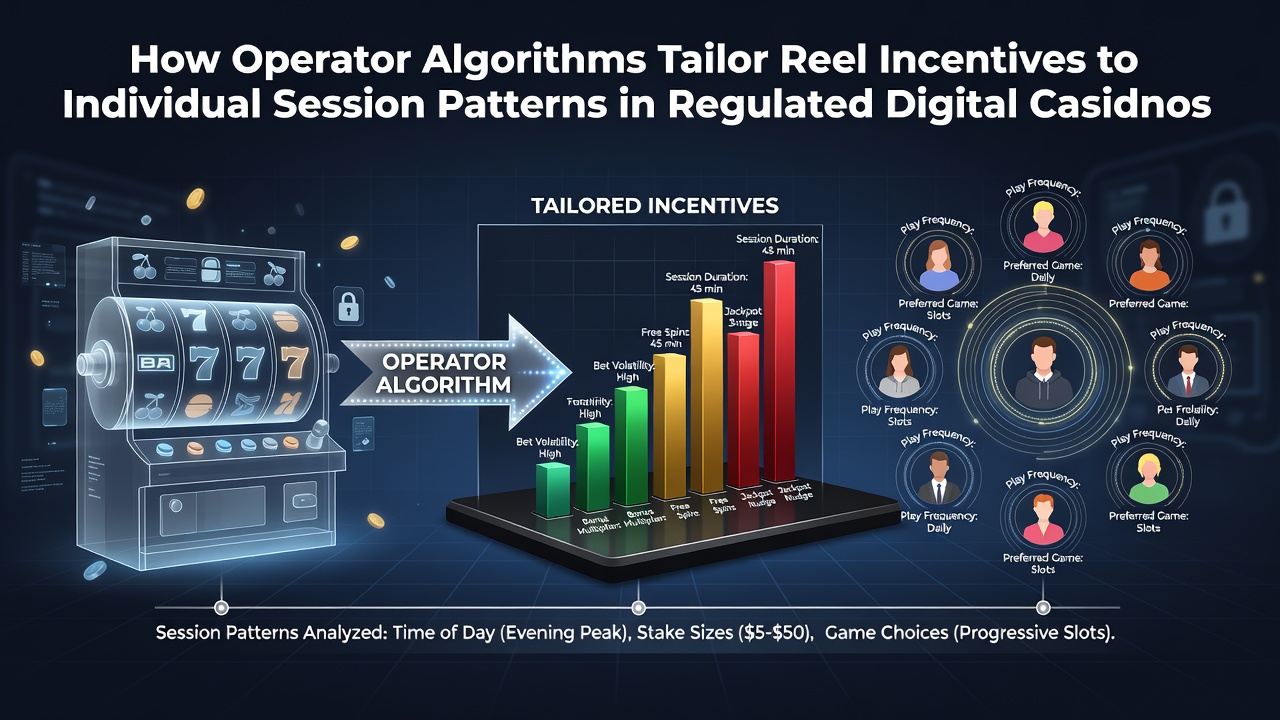
Operator systems in regulated digital casinos track detailed session metrics including spin frequency, bet sizing adjustments, session duration, and win-loss sequences to generate customized reel incentives, and these processes rely on machine learning models that process real-time behavioral data while remaining within jurisdictional compliance boundaries. Data collection begins the moment a player logs into a platform, where algorithms log every interaction without storing personally identifiable details beyond what regulations permit.
Data Inputs That Drive Personalization Engines
Session patterns feed into centralized analytics platforms through structured data streams that capture time-stamped events such as reel stops, bonus round triggers, and voluntary cash-out decisions. Operators combine these inputs with historical account activity to build profiles that update continuously throughout each visit, and the resulting models identify segments such as high-volatility seekers or steady low-stake participants. In October 2026 several North American jurisdictions introduced updated technical standards requiring explicit consent logs for every data category used in incentive calculations, which forced platforms to refine their collection methods accordingly.
Machine Learning Models Behind Incentive Delivery
Supervised learning algorithms classify players into dynamic cohorts based on session velocity and risk tolerance indicators, then reinforcement learning components test small incentive variations to measure response rates. These systems adjust free spin quantities, multiplier values, and reel feature unlocks on the fly, and they do so while logging every decision for audit trails demanded by regulators. Research from the University of Nevada, Reno gaming technology group shows that adaptive models achieve higher retention metrics than static bonus schedules when tested across controlled player cohorts according to university gaming reports.
Regional Regulatory Approaches to Algorithmic Transparency
Canadian provincial authorities such as the Alcohol and Gaming Commission of Ontario require operators to submit algorithm documentation during licensing renewals, and these filings must demonstrate that incentive rules do not target vulnerable session patterns. European regulators outside the United Kingdom have implemented similar review processes that examine whether personalization engines respect session time caps and loss-limit settings. Australian state gaming commissions have begun piloting independent audits of reel-incentive code to verify that algorithms respect geographic restrictions and age-verification flags before any personalized offer reaches a player screen.

Practical Examples of Session-Based Tailoring
One documented implementation assigns higher free-spin counts to sessions that show repeated low-stake play after an initial deposit, while another model increases multiplier depth for players whose recent spins indicate preference for bonus-buy mechanics. These adjustments occur within predefined probability bands set by each jurisdiction, and operators must retain the ability to disable personalization for any player who opts out through account settings. Industry white papers from the International Association of Gaming Regulators describe how audit logs record the exact parameters used for each delivered incentive, creating traceable records that span the full session lifecycle.
Technical Safeguards and Compliance Layers
Encryption protocols protect session data in transit and at rest, while access controls limit algorithm outputs to authorized game servers only. Regulated platforms integrate real-time monitoring dashboards that flag when personalization rules approach regulatory thresholds, and these dashboards trigger automatic pauses if session duration or spend patterns breach preset limits. Technical standards published by the Nevada Gaming Control Board require that any change to incentive logic undergo regression testing against historical session datasets before deployment.
Future Developments Expected After October 2026
Upcoming technical updates scheduled for late 2026 focus on interoperability standards that let regulators pull anonymized session samples directly from operator databases for independent verification. These changes aim to standardize how algorithms report the decision trees behind each tailored reel reward, and they build on existing requirements for explainability in automated decision systems. Observers note that such developments will likely influence how platforms in additional jurisdictions structure their personalization pipelines while maintaining compliance across borders.
Conclusion
Algorithmic tailoring of reel incentives to individual session patterns operates within tightly defined regulatory frameworks that emphasize transparency, consent, and auditability across multiple jurisdictions. Data from session tracking feeds into models that adjust rewards dynamically, yet every adjustment remains subject to documented rules and independent review processes. Continued refinement of these systems in October 2026 and beyond reflects ongoing efforts by regulators and operators to align personalization capabilities with player-protection mandates.